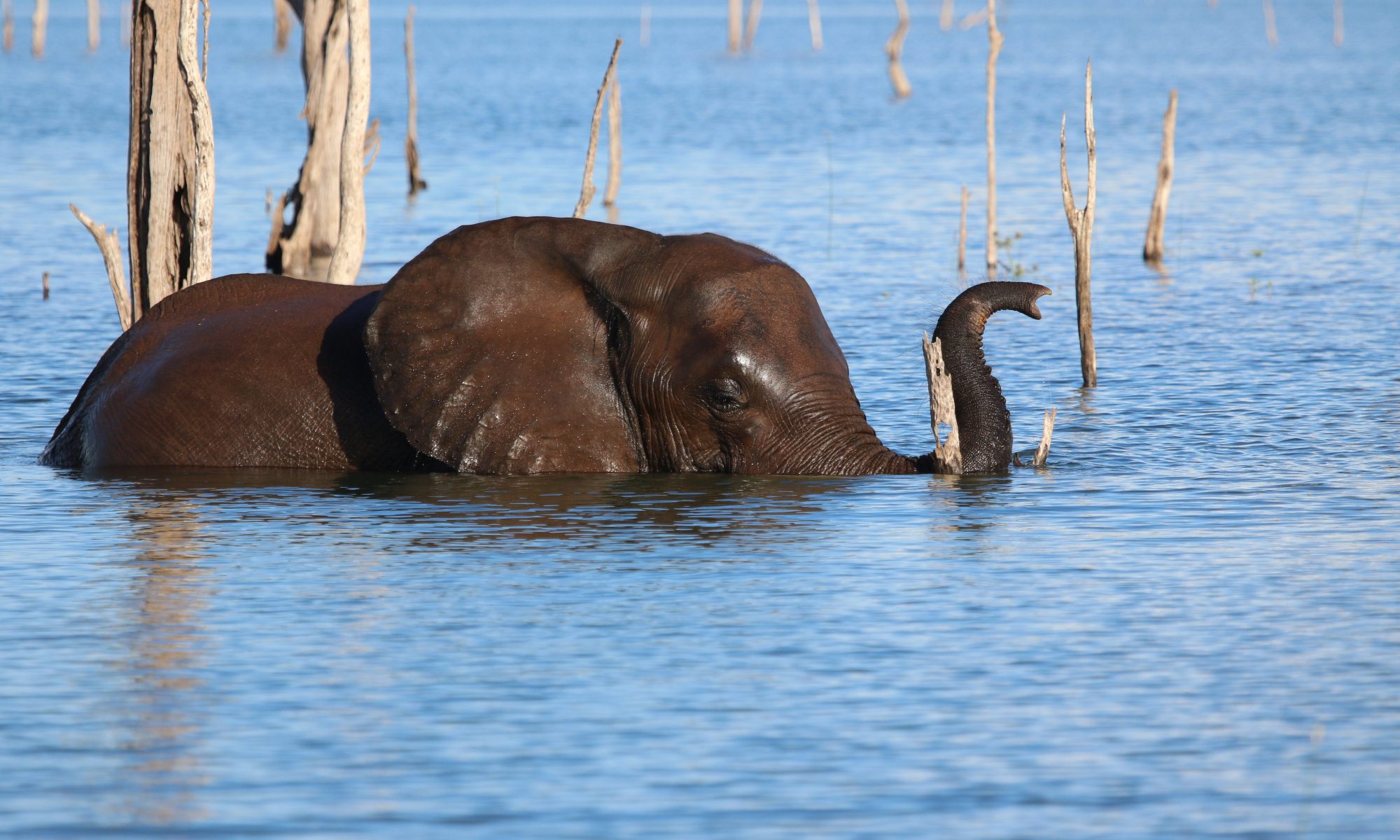

Elefantenjagd mit Kohlenstoff-Isotopen

Ein neues Verfahren soll Elefanten-Wilderern das Handwerk legen. Der Trick: Mithilfe einer C-14-Isotopen-Methode lässt sich die Herkunft der Elefanten ziemlich genau bestimmen.

VON MARC ENGELHARDT
image 

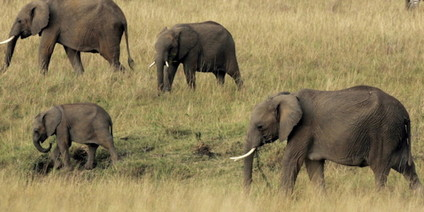
Elefanten im Masai Mara Nationalpark (Kenia). Foto: dpa

Nur Stunden, bevor die Vertreter von 35 afrikanischen Staaten sich in Kenias Hauptstadt Nairobi zu einer UN-Elefantenschutz-Konferenz zusammensetzten, hörten Wildhüter im knapp 400 Kilometer entfernten Meru-Nationalpark Schüsse in der Savanne. "Unsere Patrouille machte sich sofort auf die Suche nach dem Tatort", berichtet Samuel Tokore, der die Operation in Meru leitete. "Dort stießen wir auf eine Gruppe, die gerade dabei war, mit einer Machete die Stoßzähne aus einem jungen Elefantenbullen zu hacken." Die Wilderer eröffneten sofort das Feuer, im Kugelhagel wurde einer von ihnen erschossen. "Wenn wir Wilderer finden, dann gehen wir kein Risiko ein", erklärt Tokore den Todesschuss, bei weitem nicht der einzige in diesem Jahr.

Für Wildhüter wie Tokore wird der Kampf gegen Wilderer immer gefährlicher. "Der illegale Elfenbeinhandel ist mafiös organisiert", weiß Stefan Ziegler vom WWF. "In einigen Regionen in Zentralafrika ziehen gut ausgerüstete Banden mit Schnellfeuerwaffen und Walkie-Talkies für einige Tage durch die Schutzgebiete, laden die Beute auf einen Pick-up und flüchten." Oft handelt es sich Ziegler zufolge um Auftragsarbeiten im Dienste von Kartellen, die das Elfenbein in Schiffscontainern mit doppelten Böden nach Asien schmuggeln. Die mit Abstand meisten Käufer sitzen in Japan und China, wo Elfenbeinschnitzereien begehrt sind und Elfenbeinpulver traditionellen Medikamenten und Kosmetika beigemischt wird. Bis zu 400 Tonnen Elfenbein, die Stoßzähne von 10.000 Elefanten, werden Schätzungen zufolge jährlich auf dem Schwarzmarkt verkauft.

Zwar verbietet das Washingtoner Artenschutzabkommen nahezu jeden Handel mit Elfenbein, doch bislang war es kaum möglich, Herkunft und Alter von Stoßzähnen zu bestimmen. Oft behaupten ertappte Hehler, es handele sich um antike Stücke oder um legal versteigertes Elfenbein aus Südafrika, Namibia, Botswana oder Simbabwe. Doch damit soll bald Schluss sein. Ein neuartiges Verfahren, das von den Unis Regensburg und Mainz entwickelt und von Ziegler in Nairobi vorgestellt wurde, ermöglicht die genaue Bestimmung der Herkunft des Elfenbeins. "Wir messen dazu das Vorkommen bestimmter Isotopen, also Elementen mit unterschiedlicher Masse", so Ziegler. Weil etwa Waldelefanten sich vorwiegend von Blättern ernähren, nimmt ihr Körper weniger Kohlenstoff-14 auf als Elefanten in der Savanne, die vor allem Gras zu sich nehmen. "An den Zähnen lässt sich das genau ablesen", erklärt Ziegler. Mit einem einfachen Verfahren, das in Europa auch bei Lebensmittelkontrollen benutzt wird, lassen sich die Isotopenverhältnisse ablesen. "Wenn wir das für sechs Isotopen machen und die Ergebnisse mit einer Referenzdatenbank abgleichen, wissen wir sofort, aus welcher Ecke Afrikas das Elfenbein stammt."

Genau diese Referenzdatenbank soll in den kommenden Monaten erstellt werden, indem Proben in allen Staaten gesammelt werden, wo Elefanten leben. Doch Ziegler rechnet mit Widerstand. "Manche Staaten, vor allem in Zentralafrika, lassen sich natürlich nicht gerne gerichtsfest nachweisen, dass sie schlechten Artenschutz praktizieren – außerdem profitieren in manchen Ländern Politiker bis ganz nach oben vom illegalen Elfenbeinhandel." Doch Ziegler hat vorgesorgt: Abkommen mit Jagdverbänden und Museen sollen helfen, auch aus unwilligen Ländern die nötigen Daten zu erhalten.

Quelle: www.taz.de/1/zukunft/umwelt/artikel/1/elefantenjagd-mit-kohlenstoff-isotopen/

Nigeria: Stop Killing of Elephants, Wildlife Officer Tells Locals

Mr John Mshelbwala, a Wildlife Officer with the Federal Ministry of Environment, has warned Nigerians to desist from killing elephants.Mshelbwala, who gave the warning in Abuja yesterday, said the animals play crucial role in sustaining and conserving the environment.

He said the warning was necessary due to the high rate of extinction of elephants in recent times in the country.Mshelbwala said the population of the animals had drastically reduced to 1,600 in savannah grassland and other forest reserves in the country due to the high rate of poaching activities.

The wildlife officer said the high rate of extinction of elephants was caused mainly by human activities.Mshelbwala added that preventing the untimely death of the animals would ensure equilibrium of the ecosystem.

"Plants, other species of animals, ants and bees, among others, benefit from the survival of elephants in the forest," he said.Mshelbwala said elephants also assist in opening forest cover, saying that removing them from the ecosystem would lead to the collapse of forest cover.

Mshelbwala urged all stakeholders to ensure that the animal does not go into extinction.

NAN

Source: http://allafrica.com/stories/201101060552.html

NAIPOKI – eine neue Waise in Nairobi/ a new orphan in Nairobi

 
Gestern wurde wieder eine neue Waise im Norden Kenias gerettet: Die kleine NAIPOKI. Angehörige des Stammes der Samburu in der Namunyak Conservancy (Namunyak Schutzgebiet) riefen über den KWS, die kenianische Wildschutzbehörde, den David Sheldrick Wildlife Trust zu Hilfe. Das kleine, ca. 3 Monate alte Elefantenmädchen fiel, wie schon so viele Waisen vorher, in ein von Menschen gegrabenes Wasserbohrloch. Während der Nacht wurde ihr Rüsselchen von Raubtieren angefressen, trotz allem wirkt sie gesund und kräftig. Alles Gute kleine NAIPOKI!

164439_495492884888_120805694888_5554580_6077062_n

Die kleine Naipoki mit den Keepern Abdullah und Hassan am Flugfeld der Sarara Lodge.

Another rescue – a tiny calf  came into our care when reported by the Namunyak Conservancy through The Kenya Wildlife Trust and Sarara Camp, early this morning. She was discovered fallen down a well, and rescued by Samburu herdsmen. Her trunk has been chewed by predators, which obviously happened while she remained trapped in the well overnight. We have named her Naipoki and estimate her age to be around 3 months.

Crop raiding African elephants are ’stressed out‘

By Emma Brennand
Earth News reporter

African elephant

Can elephants anticipate risky behaviour?

Elephants that invade farmers‘ crops have higher levels of stress hormones.

Scientists found high levels of glucocorticoid metabolites in dung collected from crop raided fields.

That suggests the African elephants were under high physiological stress before the crop raid, researchers say in the journal Animal Conservation.

Elephants are intelligent creatures and this discovery could show their ability to anticipate the potential risks involved in raiding farmers‘ crops.

The study also supports previous research showing that offending elephants tend to be sub-adult and adult males.

Conflict resulting from a crop raiding event would be quite stressful to both the elephants and the people involved

Elephant researcher Marissa Ahlering

In Kenya, elephants are not confined to national parks or reserves. As they wander, they often come across farm crops that they raid for food such as maize or potatoes.

Researchers from the University of Missouri, Columbia and African Conservation Centre, Nairobi, Kenya collected dung samples from elephants involved in five crop raids and from the two closest protected areas for comparison, Amboseli National Park and Maasai Mara National Reserve.

The dung samples were analysed to determine the age, sex and level of the stress hormone in reserve elephants compared to the crop raiding parties.

"The crop raiding elephants had high levels of stress hormones, and significantly higher stress hormone levels than the Amboseli elephants, explains lead researcher Marissa Ahlering.

"However, the crop raiders did not show a significant difference from Maasai Mara primarily because of the increased variability seen in the dung from Maasai Mara elephants."

African elephant family

Sub-adult male elephants are among the main offenders

The variation in the hormone levels in the Maasi Mara elephants may indicate that they were actively crop raiding beyond the boundaries of the park in the 30 hours before the samples were collected.

The Maasi Mara reserve is surrounded by agricultural land providing ample opportunity for elephants to forage in these agricultural fields. The researchers suggest that this, in addition to the increase in human and vehicle traffic in the area, may indicate a generally higher state of stress in Maasi Mara elephants.

Crop raiding is likely to be stressful for elephants because they are often chased and attacked during the raid.

Additionally, animals with higher levels of stress hormones can have increased aggression leading to an increase in confrontations with local communities.

at our results. I would expect that the conflict resulting from a crop raiding event would be quite stressful to both the elephants and the people involved," explains Dr Ahlering.

The glucocorticoid metabolite levels in the collected dung reflect an average of levels over the previous 30 hours, the time it takes for food to pass through an elephant’s stomach.

"It is impossible to determine from our samples whether the elevated glucocorticoid levels associated with crop raiding were due to the stress of raiding or were one of the factors driving the behaviour," says Dr Ahlering.

"With intelligent, social animals, such as elephants, it is also plausible that glucocorticoids could become elevated before raiding crops if elephants are able to anticipate the risk involved in such behaviour."

Avoiding conflict

Crop raiding causes significant economic damage, with many farmers resorting to shooting, spearing and poisoning raiding elephants in order to protect their livelihoods and families.

Many conservation organisations including the African Conservation Centre are exploring innovative ways of deterring elephants from crops including electric fences, early warning systems, guards, capsicum grease and bee-hive fences.

Dr Ahlering and her colleague’s hope that their findings will help establish why elephants raid crops and determine how to reduce the occurrence of these human-elephant conflicts.

Source: http://news.bbc.co.uk/earth/hi/earth_news/newsid_9283000/9283553.stm